| Position Sensing Magnets | Best for engineering teams designing magnetic position sensing into a new device or replacing an unstable magnet source. | Air gap window: Defined by sensor and housing stack-up | Air gap variation often drives whether a magnet passes or fails in final assembly. |
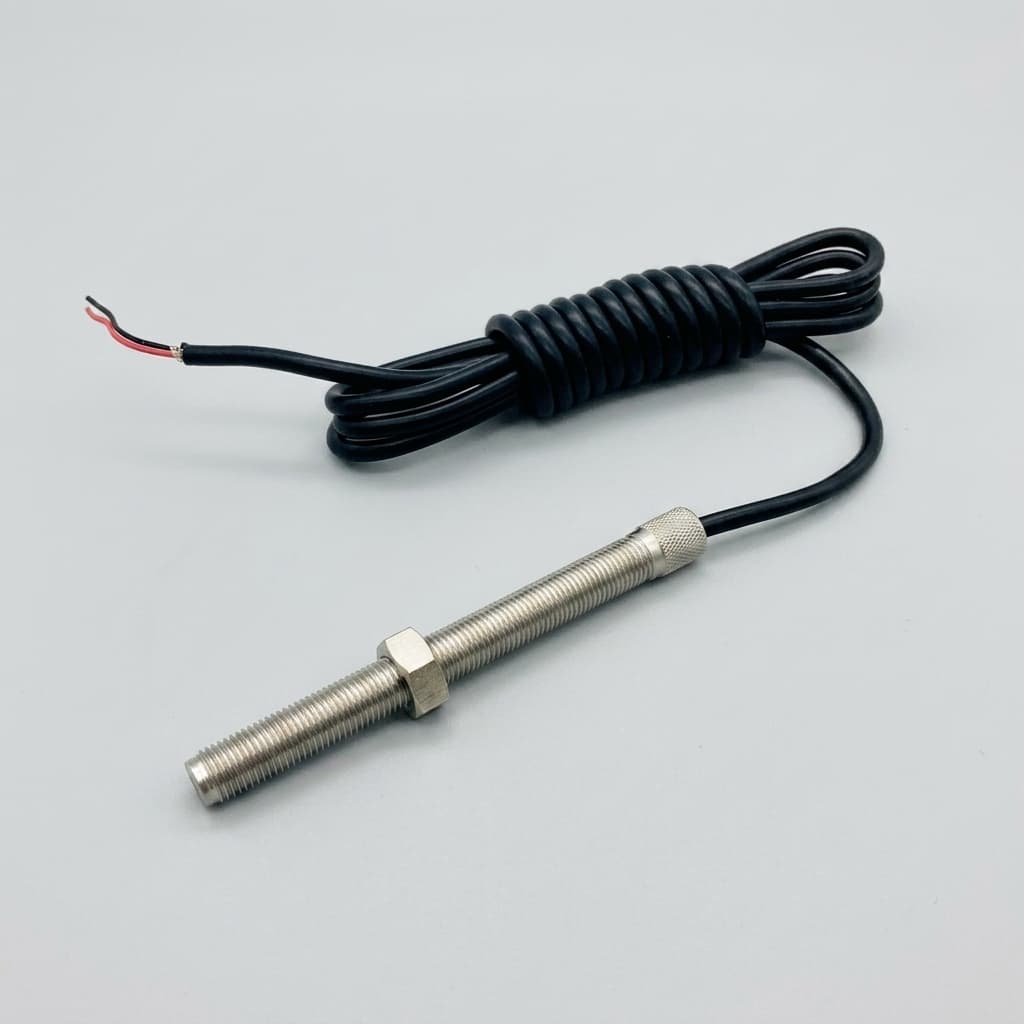
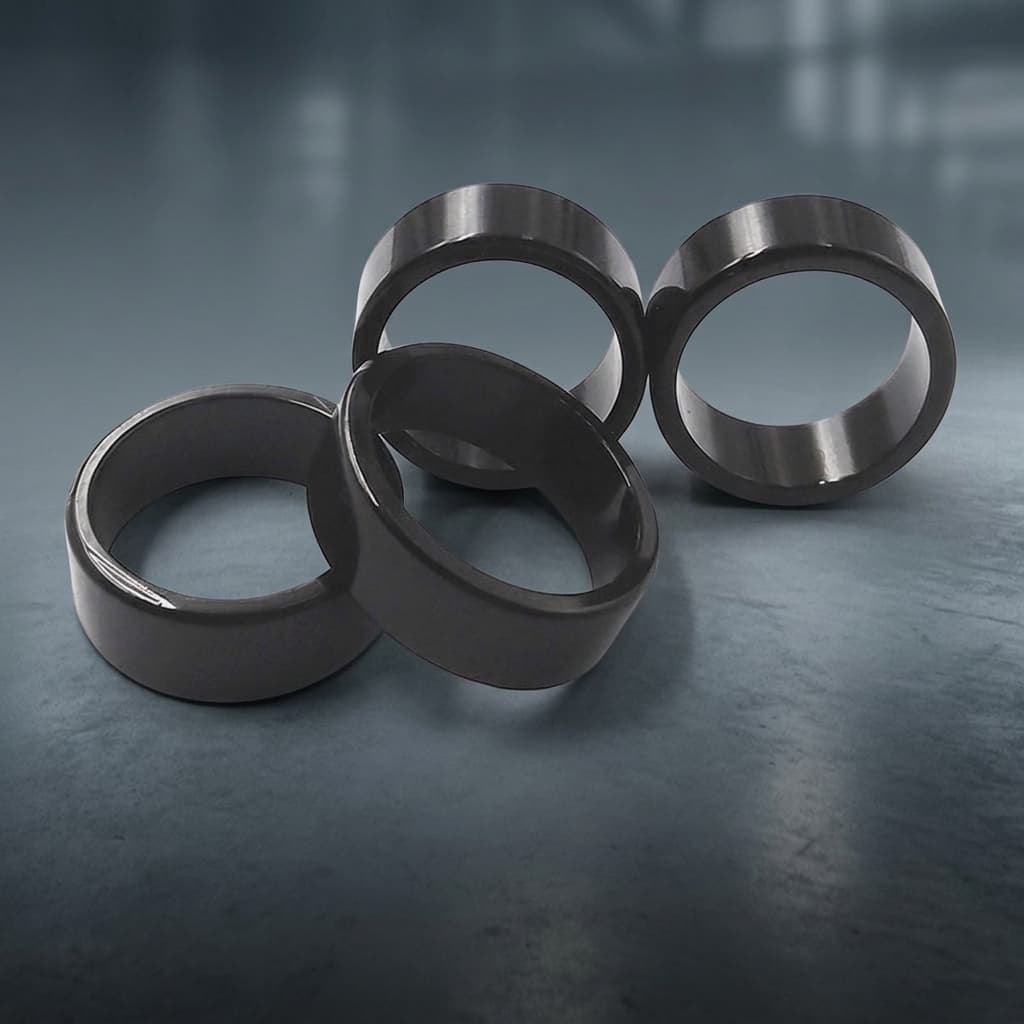
| Speed and RPM Sensing Magnets | Best for OEMs matching a magnet pattern to a rotating sensor system with defined speed and signal targets. | Pulse count: Single-pole to custom multipole | Pulse count affects RPM resolution and sensor electronics compatibility. |
| Proximity Switching Magnets | Best for equipment builders and sensor manufacturers that need repeatable switching without mechanical contact. | Switch distance: Buyer-defined operate and release limits | Switch distance is the practical performance metric buyers validate first. |
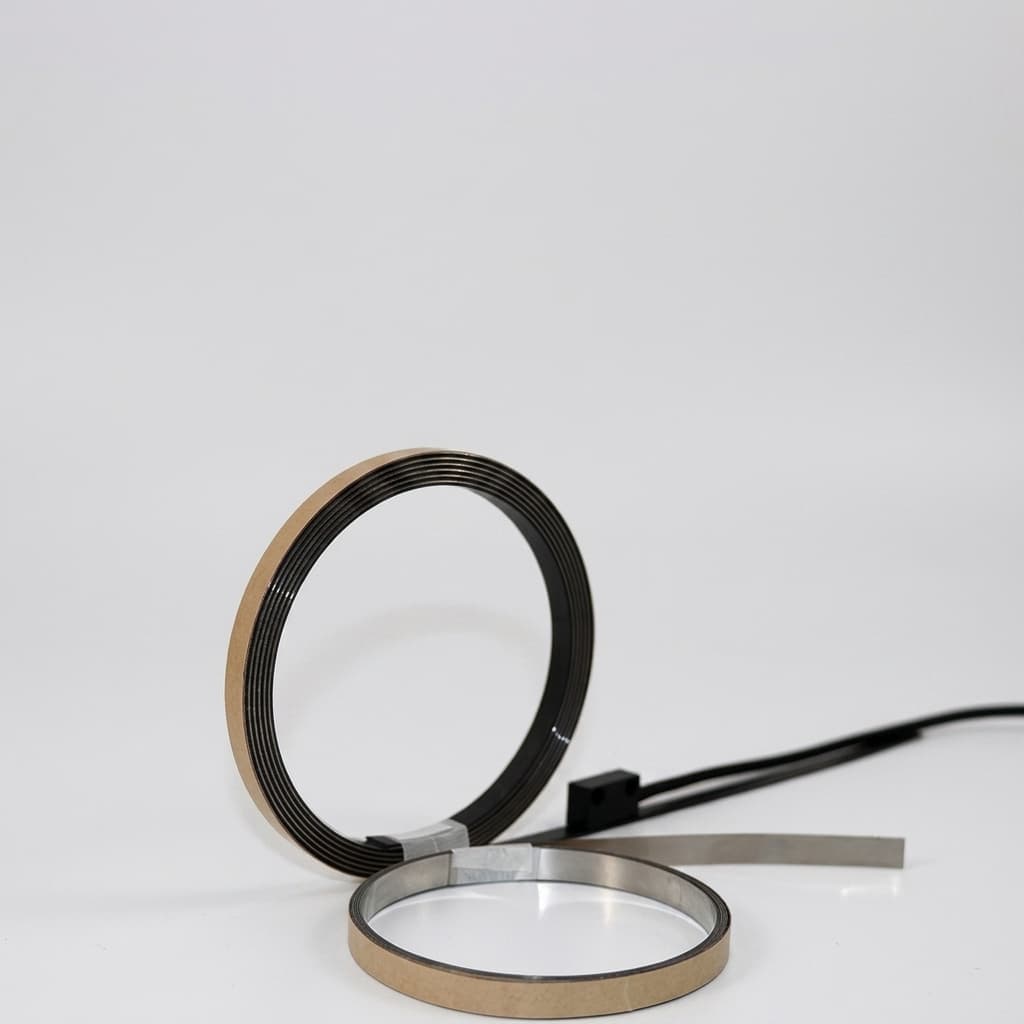
| Magnetic Encoder and Angle Sensing | Best for engineers pairing a magnet with an angle sensor IC or encoder module. | Magnetic center alignment: Defined by sensor package and rotor datum | Misalignment can create output nonlinearity even with a strong magnet. |
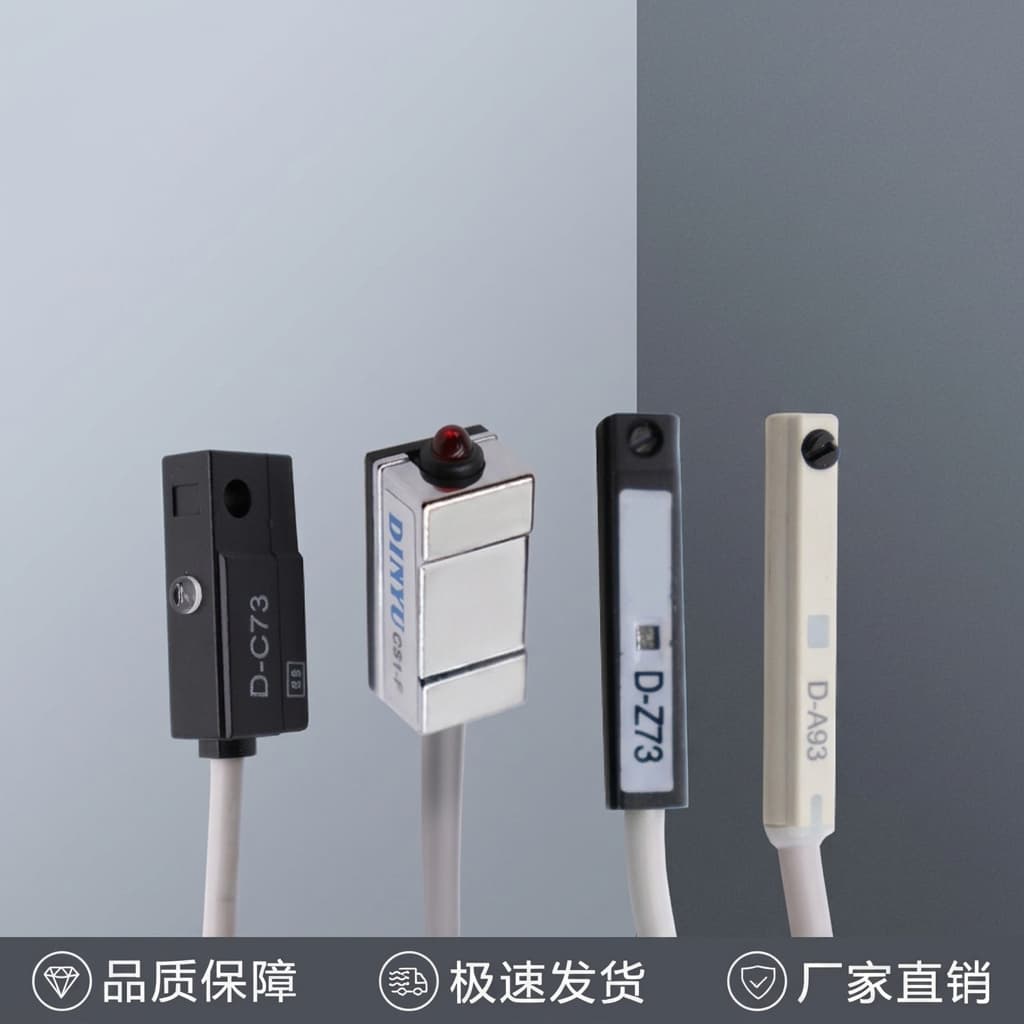
| Pneumatic Cylinder Sensor Magnets | Best for automation OEMs and cylinder manufacturers integrating magnetic position feedback. | Sensing distance through cylinder wall: Defined by cylinder and sensor combination | The magnet must actuate the external sensor through the mechanical stack-up. |
| Automotive Sensor Magnets | Best for engineering and procurement teams sourcing magnets for vehicle-adjacent sensor modules while retaining buyer-side qualification control. | Environmental load: Temperature, vibration, humidity, salt, and chemical exposure by project | Vehicle-adjacent modules often fail from environment mismatch rather than nominal magnet strength. |
| Industrial Automation and Robotics Magnets | Best for automation OEMs and integrators that need repeatable magnetic sensing in high-cycle equipment. | Cycle and vibration exposure: Project-defined | Automation magnets may pass initial tests but fail after repeated movement if retention is weak. |
| High-Temperature Sensor Magnets | Best for buyers whose sensor magnet must survive elevated temperature, cleaning, or aggressive environments. | Maximum operating temperature: Application-defined | Material selection and demagnetization margin depend on real temperature exposure. |
| Medical Device Sensor Magnets | Best for medical device OEMs, contract manufacturers, and R&D labs sourcing magnets for regulated products that require lot traceability, biocompatible finishes, and sterilization-resistant materials. | Sterilization compatibility: Autoclave 134°C / EtO / Gamma 25-50 kGy | NdFeB standard grades may demagnetize during autoclave. SmCo or high-temp NdFeB grades are required for steam sterilization. |
| Aerospace and Defense Sensor Magnets | Best for aerospace primes, defense subcontractors, and space system integrators sourcing magnets for programs that require extended temperature range, radiation tolerance, and traceable quality documentation. | Operating temperature range: −55°C to +300°C (SmCo 2:17) | Aerospace and space applications demand stable magnetic output across extreme thermal cycling. |