
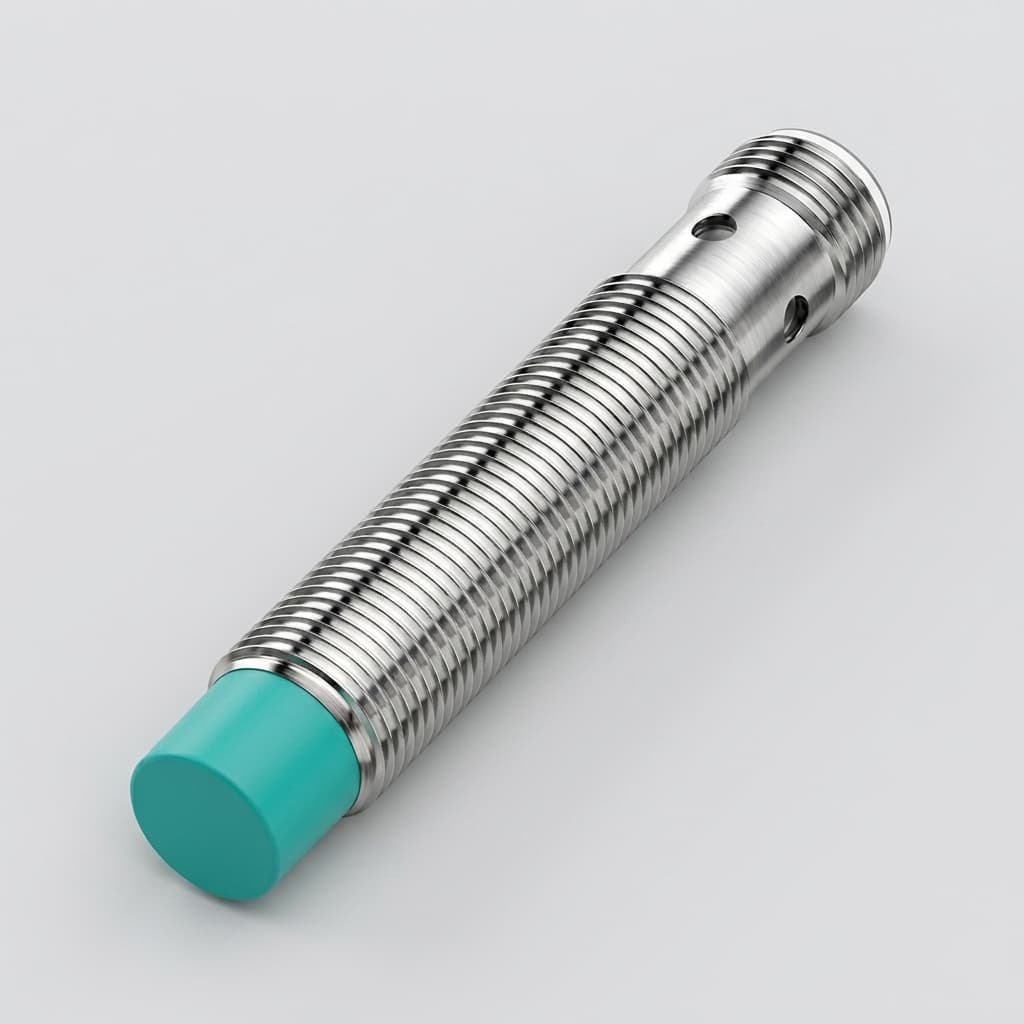
Section 301 Tariff on Sensor Magnets: Why Magnetic Assemblies Reduce Your Landed Cost
How 2026 US tariff changes affect sensor magnet sourcing, why magnetic assemblies face lower duty rates than bare magnets, and what procurement teams should evaluate before the next PO.
Decision brief
Who this is for
Procurement managers, supply chain engineers, and sourcing directors importing sensor magnets or magnetic assemblies into the United States.
What you can decide
- Whether to continue importing bare magnets or shift to pre-assembled magnetic components.
- How to classify magnetic assemblies under HTS codes to confirm applicable duty rates.
- What documentation to prepare for customs brokers when importing magnetic assemblies.
Evidence included
- HTS tariff rate comparison table for bare magnets vs. magnetic assemblies.
- Assembly classification decision tree.
- CBP ruling examples for magnetic subcomponents in assemblies.
Practical boundaries
- This guide is an engineering-side sourcing reference, not legal or customs advice. Consult a licensed customs broker or trade attorney for binding rulings.
- Tariff rates cited reflect publicly available USTR schedules as of June 2026 and may change.
I ship sensor magnets to the US every week. Since January 2026, the landed cost conversation has changed completely.
The reason is straightforward: the US Trade Representative finalized a new round of Section 301 tariffs that specifically target Chinese-origin permanent magnets. For procurement teams that import bare magnets — discs, rings, cylinders, blocks — the additional duty is now between 25% and 35% on top of the existing base tariff.
This article explains what changed, which product categories are affected, and why many of our US-based OEM buyers are now shifting from bare magnet imports to magnetic assembly imports instead.
What Changed in 2026
The US has imported Chinese permanent magnets for decades. Until recently, the base tariff on most NdFeB magnets (HTS 8505.19.10) was around 2.1%, and on SmCo and ferrite magnets (HTS 8505.11.00, 8505.19.20–.40) around 2.1–3.9%. These rates were low enough that landed cost was dominated by material price, freight, and coating — not duty.
Starting January 1, 2026, the USTR layered Section 301 duties on top of these base rates. The result:
| HTS Code | Product Type | Base Tariff | Section 301 Add-on | Total Duty (2026) |
|---|---|---|---|---|
| 8505.11.00 | SmCo permanent magnets | ~2.1% | +25% (301) + ~20% (prior 301) | ~47% |
| 8505.19.10 | NdFeB permanent magnets | ~2.1% | +25% (301) + ~10% (prior 301) | ~37% |
| 8505.19.20/.30/.40 | Other permanent magnets (ferrite, AlNiCo) | ~2.1–3.9% | +25% (301) + ~20% (prior 301) | ~47% |
These are not temporary executive-order tariffs. Section 301 duties are tied to a formal USTR investigation into trade practices, and historically they remain in place for years — often across multiple administrations.
For a $2.00 NdFeB sensor magnet, the 2025 landed cost was roughly $2.10. The 2026 landed cost is roughly $2.74. That is a 30% increase before freight.
Why Magnetic Assemblies Are Classified Differently
US Customs classifies goods by their essential character at the time of import. A bare NdFeB ring magnet is classified under HTS 8505 — permanent magnets. But when that same magnet is pressed into an aluminum housing, overmolded into a plastic carrier, or assembled onto a steel shaft with a retention clip, the imported product is no longer a "permanent magnet." It is a functional subcomponent classified under a different heading.
Common reclassification examples:
| What You Import | Likely HTS Classification | Typical Duty Rate |
|---|---|---|
| Bare NdFeB ring magnet | 8505.19.10 (permanent magnet) | ~37% |
| Magnet pressed into steel cup with epoxy | 8505.90 or 8505.19 (depends on function) | Varies — often lower |
| Magnet overmolded into plastic carrier with datum features | 3926 (plastic article) or 8538 (switchgear part) | ~3–6% |
| Magnet + Hall IC + housing + cable = sensor module | 9032 (measuring instrument) or 8543 (electrical apparatus) | ~1.5–3% |
| Magnet + shaft + bearing = rotor assembly | 8503 (parts of electric motor) | ~2.5–3% |
The key insight: the tariff penalty is on the raw magnetic material, not on the engineering value around it. When you shift procurement from bare magnets to assemblies, the magnet cost becomes a fraction of the declared customs value — and the applicable duty rate drops dramatically.
What This Means for Sensor Magnet Buyers
If your current supply chain looks like this:
- Buy bare magnets from China → import under HTS 8505 → pay 37–47% duty → assemble in-house
...you are paying the maximum tariff on 100% of the magnet value, then spending additional labor and overhead on domestic assembly.
The alternative:
- Buy magnetic assemblies from China → import under the assembly's HTS code → pay 1.5–6% duty → install directly
In the second model, you eliminate domestic assembly labor, reduce customs duty by 80–90%, and receive a tested, inspected subcomponent that is ready for your production line.
Engineering Requirements for Assembly Classification
Customs classification is not automatic. To qualify as an assembly rather than a bare magnet, the imported product must meet certain criteria:
Substantial transformation: The magnet must be combined with other materials or components in a way that creates a new article with a different name, character, and use. Simply gluing a magnet to a backing plate may not be sufficient. Pressing a magnet into a precision housing with datum features, retention mechanism, and polarity marking — that typically qualifies.
Functional integration: The assembly should perform a function that the bare magnet cannot perform alone. A magnet in a carrier with mounting holes, cable routing channels, or connector interfaces clearly serves a different purpose than a raw disc.
Bill of materials: The magnet should not be the dominant component by value or weight in every case. When the assembly includes machined housings, injection-molded carriers, adhesives, and secondary operations (grinding, coating, marking), the magnet becomes one of several material inputs.
What We Provide as an Assembly Supplier
Our OEM assembly engineering capability covers the full path from bare magnet to importable subcomponent:
- Overmolded magnet carriers: Magnet pressed or bonded into injection-molded housings with datum surfaces, polarity indicators, and mounting features. See overmolded magnet carriers.
- Steel cup and pot assemblies: Magnet seated in a mild steel or stainless cup with controlled air gap and adhesive retention — commonly used for proximity and reed switch applications.
- Rotor and encoder assemblies: Multipole ring magnet bonded to a shaft or hub with concentricity control, balance, and polarity indexing.
- Coated and packaged assemblies: Magnets with application-specific coatings (nickel, epoxy, parylene, zinc), orientation-controlled packaging, and export documentation aligned to the assembly's HTS classification.
Every assembly ships with a packing list, commercial invoice, and material description that supports the correct customs classification. We do not provide customs brokerage or legal opinions, but we structure our export documents to make classification straightforward for your broker.
Before You Place the Next PO
If you are currently importing bare sensor magnets into the US, here is a practical checklist:
-
Check your current HTS code. Ask your customs broker which code your magnets clear under today. If it is 8505.11 through 8505.19, you are paying the full Section 301 rate.
-
Evaluate assembly feasibility. Which of your bare magnets could be combined with a housing, carrier, or structural element before import? Even a simple pressed-in cup assembly may change the classification.
-
Request a CBP binding ruling. Before committing to a new supply chain structure, ask US Customs for a formal classification ruling on the proposed assembly. This provides certainty and protects your broker at entry.
-
Get an assembly quotation from us. Send your current magnet drawing plus the assembly context — housing material, mounting method, tolerance requirements, and annual volume. We will return a quotation that includes the magnet, assembly, inspection, and packaging. Contact our engineering team or reach us on WhatsApp for a faster response.
The tariff environment will not soften in the near term. Section 301 duties are structurally embedded in US trade policy toward Chinese permanent magnets. For procurement teams that act now, the assembly path is not just a cost optimization — it is a supply chain resilience decision that compounds over every future shipment.
More Posts
ASIL-D Sensor Magnet Requirements: Engineering & Procurement Guide
ASIL-D sensor magnet guide for ISO 26262 programs: compare materials, thermal drift, stray-field immunity, validation evidence, and RFQ controls.

Tolerance Stack-Up in Sensor Magnet Assemblies: How to Protect Your Sensing Margin
A practical guide to mechanical and magnetic tolerance stack-up in sensor magnet assemblies, covering air gap variation, field strength margin, and how to prevent false triggers or missed events in production.
Automotive vs. Industrial Sensor Magnets: PPAP, Traceability, and Cost Drivers
A procurement and engineering guide to understanding the price delta between automotive-grade and industrial sensor magnets. Learn about PPAP, IATF 16949 traceability, and Zero Defect policies.